Overview of the Report
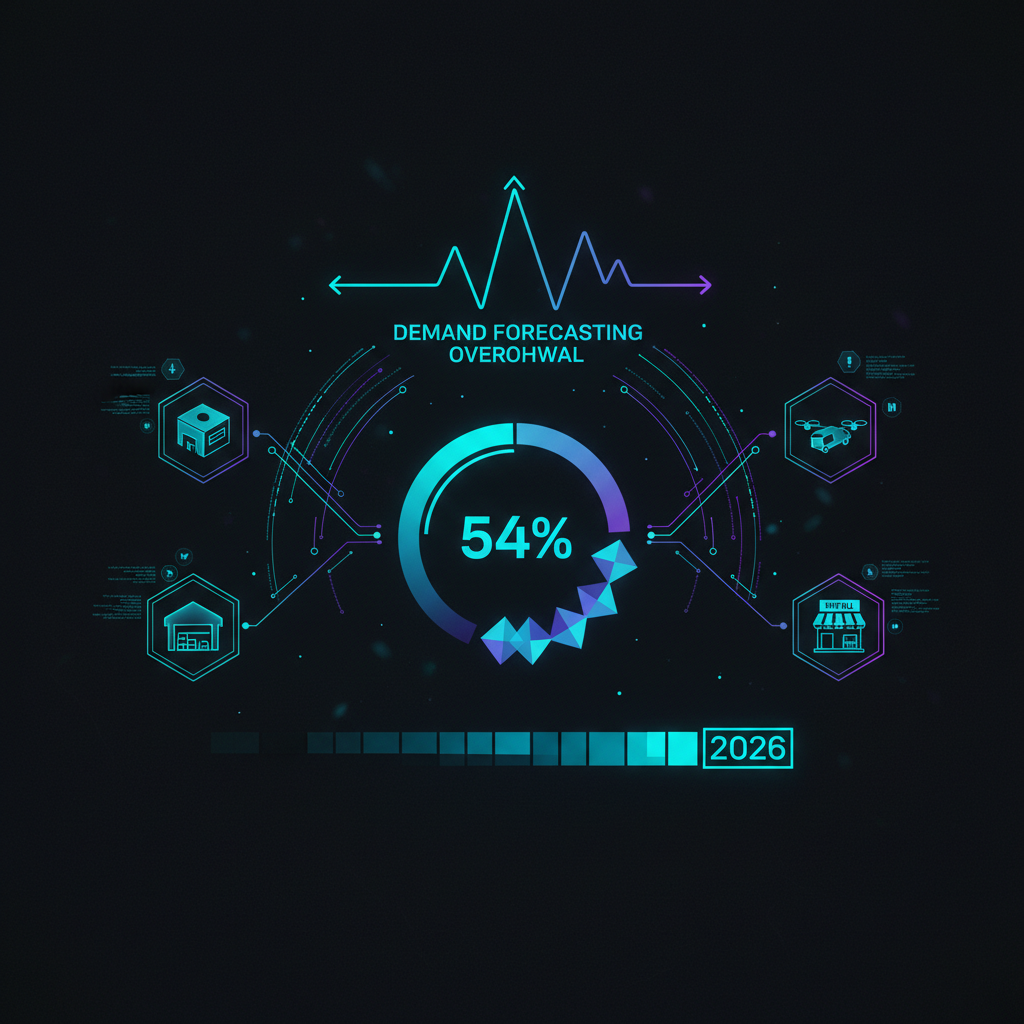
The latest findings from FreightWaves indicate that over half of distributors, around 54%, are planning significant changes to their demand forecasting approaches by the year 2026. This statistic underscores a crucial shift in the industry as businesses adapt to complex supply chain dynamics.
Reasons Behind the Overhaul
Distributors are faced with several factors driving this need for change:
- Supply Chain Complexities: The pandemic exposed vulnerabilities in supply chain networks, leading companies to rethink their forecasting methods.
- Rising Consumer Expectations: Today's consumers demand accuracy and speed, prompting distributors to enhance their forecasting capabilities.
- Technological Advancements: New technologies offer improved data analytics, empowering firms to adapt their strategies effectively.
Key Findings
The report outlines a few vital trends that highlight why distributors are compelled to evolve:
- Increased Investment in Technology: Many distributors are actively seeking AI and machine learning tools to refine their forecasting accuracy.
- Focus on Real-Time Data: The ability to access and analyze real-time data is becoming crucial for effective demand planning.
- Integration Challenges: There are ongoing difficulties in integrating various data sources, which is leading to inaccuracies in demand forecasts.
Industry Expert Insights
According to industry experts, embracing technology and innovative forecasting methods is essential for maintaining competitiveness in the market. One expert noted:
"Distributors who fail to upgrade their demand forecasting capabilities may find themselves at a significant disadvantage in meeting customer needs."
Implications for Future Planning
The push for an overhaul in demand forecasting reflects a broader trend across various sectors. To address these challenges, distributors are encouraged to:
- Invest in Training: Ensuring staff are skilled in new forecasting technologies can significantly enhance efficiency.
- Collaboration with Tech Partners: Working closely with tech companies can assist in integrating advanced forecasting tools effectively.
- Continual Adaptation: Markets are ever-evolving, and so should be the forecasting strategies that companies employ.
Conclusion
As we approach 2026, the demand for improved forecasting methods among distributors is likely to intensify. Companies need to harness data and technology more effectively than ever to navigate the complexities of today's supply chains.
What This Means for Planning Teams
Forecasting teams must evolve alongside these trends. Staying ahead will involve embracing technology and fostering adaptability within planning processes. By doing so, they can ensure their organizations are not only prepared for current challenges but also poised for future successes in a competitive landscape.